

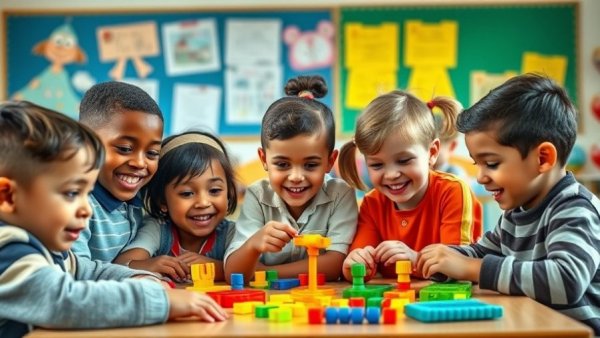
Understanding the Value of Sharing
As parents, we often hear that sharing is a vital skill for children to learn. But why is sharing so important? At its core, sharing fosters cooperation, empathy, and respect among children. These qualities not only enhance social interactions but are also foundational for their emotional growth. When children share, they learn to appreciate the sentiments and feelings of others, which cultivates a sense of community and understanding.
Practical Tips to Encourage Sharing
One of the most effective ways to teach kids to share is by modeling the behavior yourself. Children are keen observers and often imitate the actions of adults. By showing them how you share your belongings, time, or even snacks, you're paving the way for them to replicate that behavior. Additionally, here are three practical strategies:
Play Cooperative Games: Engaging in games that require teamwork can help kids understand the dynamics of sharing and collaboration. Games like “Duck, Duck, Goose” are not only fun but also stress the need for give-and-take.
Use Role-Playing: Role-playing scenarios can introduce the concept of sharing in a playful manner. Use toys or puppets to simulate situations where sharing can take place, and discuss what characters might feel when they share.
Set Up Sharing Moments: Create opportunities throughout the day for your children to share items, such as during playdates. Acknowledge their efforts and highlight the joy that comes from sharing with their friends.
Understanding Resistance to Sharing
Many children resist sharing, viewing their toys or possessions as extensions of themselves. They often worry that by sharing, they’ll lose something they love. It’s crucial to address this fear with understanding and patience. When a child expresses reluctance to share, validate their feelings by acknowledging their attachment to the item and gently guiding them towards understanding the benefits of sharing.
Infusing Fun into the Sharing Process
Children are naturally drawn to fun and play, so incorporating games into the sharing process can create a positive experience. Organize fun group activities where sharing is rewarded with points or praise. Celebrating these small victories reinforces the behavior and demonstrates the happiness that comes from sharing with peers.
Continuous Reinforcement and Patience
Learning to share is not a one-time lesson; it requires ongoing reinforcement and encouragement. Celebrate each step your child takes toward sharing, regardless of how small. Over time, they will begin to see sharing not just as an obligation but as an opportunity for connection, enhancing their social skills and emotional intelligence.
As we navigate parenthood, it’s essential to recognize the journey of teaching children to share as one filled with patience, understanding, and love. By implementing these strategies, we pave the way for our children to build lasting relationships and develop essential life skills that extend beyond childhood.





Write A Comment