

Boosting Your Harvest with Effective Plant Partnerships
Garden enthusiasts, rejoice! One simple technique can transform your gardening experience and significantly increase your harvest: companion planting. This age-old practice, cherished across cultures, pairs plants that support each other's growth, deter pests, and enhance flavors. By understanding the natural relationships between plants, you can cultivate a flourishing garden that yields more vegetables with less stress.
Understanding Companion Planting
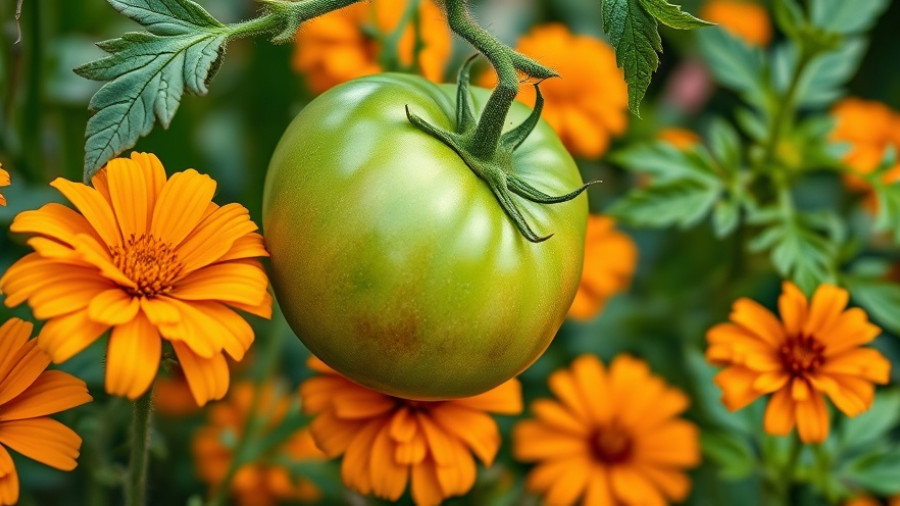
Companion planting involves strategically placing plants together to utilize their natural strengths. For example, planting tomatoes alongside basil not only improves the flavor of the tomatoes but also helps repel pests like aphids and hornworms. Similar synergistic matches exist that can revitalize your garden while minimizing chemical interventions.
The Benefits of Gardening Together: Fostering Growth
Research has shown that companion planting enhances soil health, maximizes space, and increases yields. Leguminous plants, for instance, like beans, fix much-needed nitrogen in the soil, benefiting heavy feeders such as corn. In a space-constrained garden, you can mix deep and shallow-rooted plants to take full advantage of the available nutrients. Picturesque flower companions not only beautify your vegetable patches but also attract pollinators crucial for fruit-bearing plants.
Top Plant Partnerships to Maximize Your Garden
Here are some well-known combinations that can lead to remarkable results:
- Tomatoes & Basil: This classic pairing enhances flavor and drives away pests.
- Carrots & Onions: Onions ward off carrot flies while helping carrots aerate the soil.
- Corn & Beans: The traditional “Three Sisters” method showcases how corn provides structure for beans while beans replenish the soil with nitrogen.
- Cucumbers & Nasturtiums: Nasturtiums attract pests away from cucumbers, providing added protection.
- Strawberries & Thyme: The scent of thyme aids in keeping slugs at bay while acting as ground cover.
Common Misconceptions: Not All Plants Get Along
While pairing plants offers numerous advantages, it is crucial to be aware of combinations that may not yield beneficial results. For example, some plants compete for the same resources or attract similar pests, leading to diminished returns. Knowledge about these interactions is key; for example, avoid planting kale and cabbage too closely together, as they attract the same pests.
Getting Started with Companion Planting
If you’re eager to start your gardening journey with companion planting, begin by selecting just a couple of plant partnerships this season. Observe how they affect each other’s growth and yield. Remember that maintaining adequate spacing – about 12 to 18 inches for most plants – ensures they thrive without overcrowding.
By letting plants support one another, you’ll create a cooperative atmosphere in your garden that fosters growth and reduces pest issues. In the end, using companion planting allows you to transform your garden into a lively ecosystem filled with thriving vegetation.
Enhancing Your Gardening Skills
As you gain more confidence in companion planting, consider expanding your combinations based on what you've learned. Experiment with local conditions, and don't hesitate to ask fellow gardeners or visit local gardening centers for advice. When you dive into companion planting, you're combining tradition with innovation, fostering a deeper connection to the soil and your gardening community.


Write A Comment